Artificial intelligence is usually discussed in the context of chatbots, image generators and self-driving cars. Some of its most practical applications, however, are happening in industries that rarely make headlines.
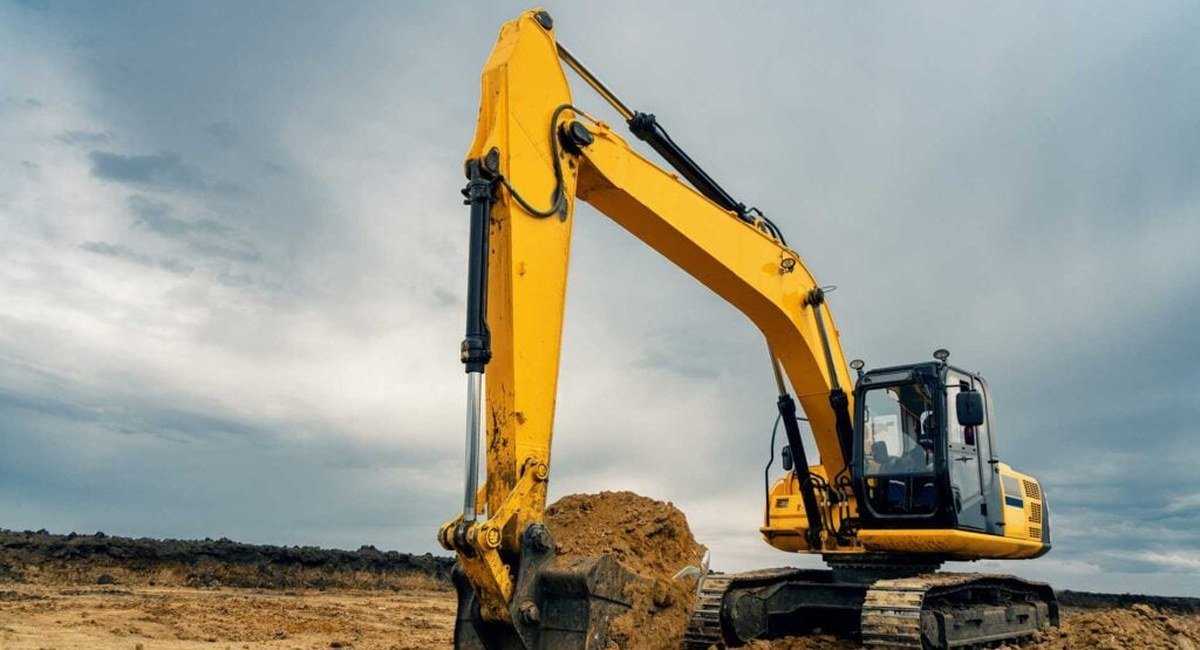
Equipment rental is one of them. Companies that rent out excavators, generators, event staging and power tools are quietly using AI to forecast demand, price more intelligently, predict breakdowns and serve customers faster.
In this article, we look at where AI is making a real difference in equipment rental, what is still hype, and how smaller rental companies can start benefiting without a data science team.
The stakes are large. Dataintelo sizes global equipment rental revenue at $178 billion in 2025, rising to $260 billion by 2034.
Why Rental Is a Natural Fit for AI
Equipment rental is a data-rich business. Every booking records what was rented, by whom, for how long, at what price and in what condition it came back.
Add telematics data from connected machines and seasonal patterns from years of history, and you have exactly the kind of structured information that machine learning models handle well. The challenge is that most rental companies have never used this data beyond basic reports.
AI turns it into decisions. That is the whole opportunity in one line, and it explains why this industry is adopting AI faster than many outsiders expect.
The Number That Runs the Business
Every AI use case in rental comes back to one number, which is utilization. A machine earns money only when it is out on hire, and it costs money every day it sits in the yard.
Idle machines tie up capital, take up yard space and still need maintenance and insurance. This is why forecasting, pricing and maintenance matter so much, since each of them moves utilization in a different way.
Any AI tool worth paying for should be judged on that test. If it does not lift utilization, cut breakdowns or save staff time, it is a distraction.
Demand Forecasting
Knowing what customers will want, and when, is the foundation of a profitable rental fleet. Too little stock and you turn away business, while too much stock leaves expensive machines sitting idle.
AI forecasting models analyze past bookings alongside external signals such as weather, construction permits, local events and holidays. A model might learn that demand for dehumidifiers spikes three days after heavy rain, or that tent rentals climb six weeks before wedding season peaks.
With those insights, managers can move stock between branches before demand hits. The value is not the forecast itself, it is the extra days it gives a team to act on it.
Dynamic Pricing
Airlines and hotels have used dynamic pricing for decades. Rental companies are beginning to follow, with AI pricing tools recommending rates based on current utilization, upcoming demand, competitor pricing and customer history.
Done carefully, dynamic pricing raises revenue during peak periods and fills idle capacity with discounts during slow weeks. Done badly, it frustrates loyal customers who feel punished for booking at the wrong moment.
The best systems keep a human in the loop and set guardrails on how far prices can move. A price change still needs an explanation at the counter, because no customer accepts a higher rate from a black box.
Predictive Maintenance
Unexpected breakdowns are costly. A failed machine on a customer site means emergency repairs, lost revenue and damaged trust.
AI models trained on engine hours, fault codes, vibration data and repair history can predict when a component is likely to fail and recommend servicing before it does. This shifts maintenance from a fixed calendar to actual condition, which reduces both breakdowns and unnecessary servicing.
The prize is large enough to explain the investment. Deloitte estimates unplanned downtime costs industrial manufacturers about $50 billion a year, with equipment failure behind 42 percent of it.
McKinsey’s research puts the typical gains from predictive maintenance at 30 to 50 percent less machine downtime and 20 to 40 percent longer machine life. Those ranges come from aggregated deployments, not one pilot, which is why they carry weight with operators.
Older machines without sensors still leave a gap, since the model can only learn from the data it is given. For mixed fleets, the practical starting point is the data already in the workshop system, not a full sensor retrofit.
Smarter Customer Service
AI assistants can answer common questions around the clock. Is this item available next weekend, what is the weight limit on this trailer, and how do I extend my booking are all questions a good assistant handles without staff involvement.
They can also help customers choose the right equipment by asking about the job and recommending suitable machines. The AI Landscape has highlighted ways small businesses can utilize AI, and customer service automation is consistently one of the fastest wins.
For a rental company with a small team, offloading routine questions frees staff to handle complex quotes and deliveries. That is the real saving, since the counter team is usually the scarcest resource in the business.
Damage Detection With Computer Vision
Condition disputes are a constant source of friction in rental. Computer vision models can compare photos taken at checkout and return to highlight new scratches, dents or missing parts.
This makes inspections faster and more consistent, and it gives customers objective evidence rather than one person’s opinion. The discipline matters as much as the model, since the comparison only works when staff photograph every item the same way, every time.
Fleet Planning and Purchasing
Deciding which machines to buy, sell or move is one of the biggest financial decisions a rental company makes. AI can model return on investment for each asset class, identify underused equipment and suggest the best time to sell older units before their value drops further.
This turns fleet planning from an annual argument into a rolling decision. A machine that looks busy on a monthly report can still be a poor earner once transport, servicing and idle days are counted properly.
One Example From the Top of the Market
United Rentals, which describes itself as the world’s largest equipment rental company, shows what this looks like at scale. It has fitted more than 335,000 machines with telematics, feeding location, run hours and condition data into its Total Control platform.
In February 2026, it connected that telematics data to Procore’s project management software. Project teams can now see rented and owned equipment side by side, with AI-driven recommendations to optimize resource deployment and asset utilization.
Using AI Responsibly
As with any AI deployment, rental companies should think about fairness, transparency and security. Pricing algorithms should not discriminate unfairly between customers, and automated decisions should be explainable to staff and customers.
Data used to train models must be protected. The NIST AI resources, including its AI Risk Management Framework, provide a practical starting point for organizations of any size that want to manage these risks.
How Smaller Rental Companies Can Start
You do not need a research lab to benefit from AI. The following steps are ordered by payoff, not by fashion, and each one builds on the last.
Get your data in one place. AI cannot learn from bookings scattered across notebooks and spreadsheets.
A centralized rental operations platform that records every booking, return and repair is the essential first step.
Start with reporting. Before predicting anything, understand your current utilization, top earners and seasonal patterns.
Automate simple tasks. Reminders, quotes and FAQs are easy wins.
Pilot one AI feature at a time. Try demand forecasting for one product category before rolling it out across the fleet.
Measure results. Compare utilization, revenue and breakdown rates before and after.
Where AI Projects Go Wrong
Most failed AI projects in rental do not fail on the technology. They fail because the data is messy, the process is unclear, or nobody on the team trusts the output enough to act on it.
Buying software before fixing the booking process just automates the mess. Skipping staff training has the same effect, since a forecast nobody reads changes nothing.
The fix is unglamorous and it works. Clean data first, one pilot at a time, and a named person who owns the result.
What Is Still Hype
Not every AI promise holds up. Fully autonomous rental yards, perfectly accurate demand predictions and chatbots that replace experienced counter staff are still far off.
Forecasts are only as good as the data behind them, and unusual events such as supply shocks or extreme weather can throw any model off. Treat AI as a powerful assistant, not an oracle.
Final Thoughts
AI is helping equipment rental companies move from reacting to anticipating. Forecasting keeps the right machines in the right place, pricing tools capture more value, predictive maintenance keeps fleets running and automated service keeps customers happy.
The companies that build a solid data foundation today will be the ones best placed to take advantage as these tools mature. The machines are not the hard part, and they never were.