Zurich-based Enact Intelligence has come out of stealth with a €26.68 million pre-seed round to build robots that can feel the physical world. The startup is betting that force and touch data, not just vision, will unlock reliable robot dexterity.
The round, worth about $30 million, is one of the largest pre-seed raises ever seen in Europe. Dealroom, citing Sifted, called it the largest pre-seed round in Swiss history.
The Round
The round saw participation from redalpine, Notion Capital and firstminute capital. The angel slate is unusually heavyweight for a pre-seed, and includes Mistral founder Arthur Mensch, former Meta chief AI scientist Yann LeCun, and Path Robotics founder Andrew Lonsberry. Tech.eu reported that Hugging Face co-founder Thomas Wolf also joined the round.
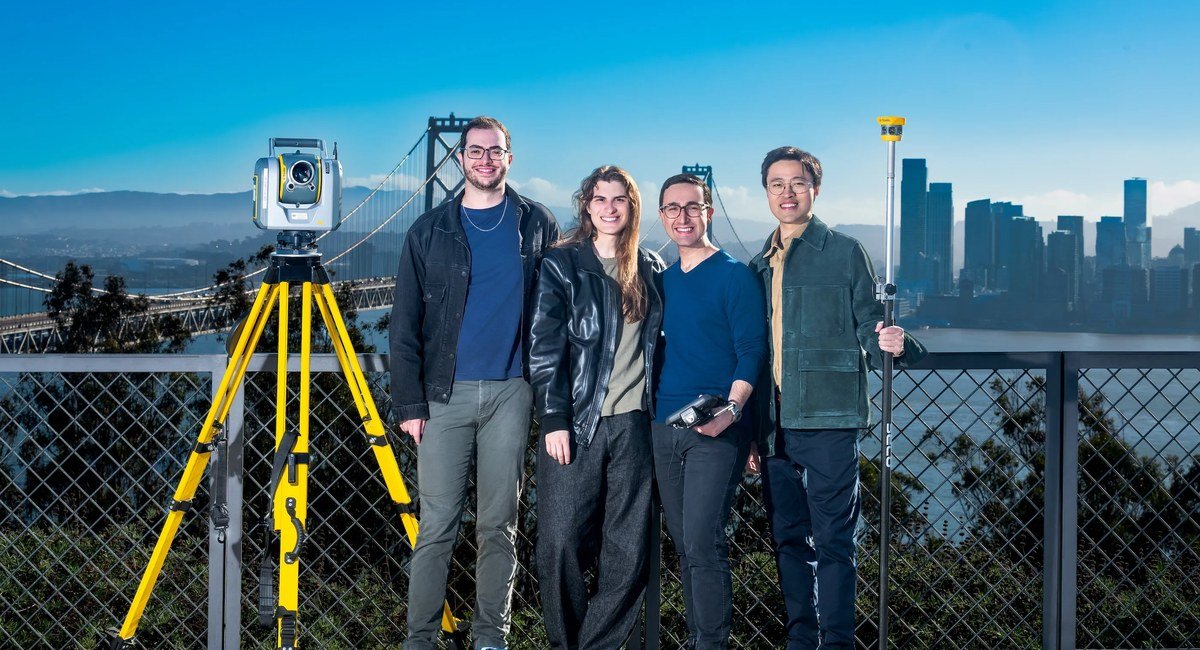
Enact was founded in March 2026 by Manuel Yves Galliker, who led the software team behind 1X’s NEO humanoid robot and helped build the company’s AI team in Silicon Valley. He went on to work at the robotics lab Physical Intelligence before starting Enact in Zurich.
Teaching Robots to Feel
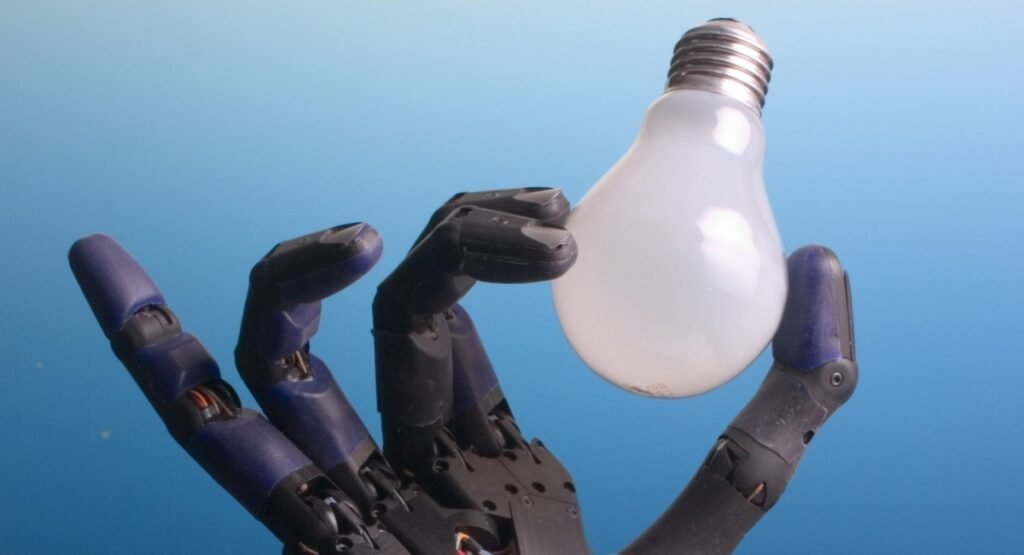
Most robots today navigate the world through cameras. Enact argues that vision alone makes manipulation unreliable and learning inefficient. Its robots instead sense force and touch directly through their own actuators, the way humans sense tension through their muscles rather than only through their fingertips.
“In particular, our robots sense force and touch through their own actuators, so they feel what’s happening in real time, and learn more data-efficiently while simultaneously pushing reliability and performance,” said Manuel Yves Galliker, founder and CEO of Enact Intelligence.
The company is rethinking the entire robotics stack, from model architectures and data pipelines down to the actuators and sensors that feed the models. Rather than collecting from scratch all the data needed to teach a robot common sense, Enact builds on existing models such as video models and adapts them to output robot actions. The goal, Galliker said, is “a proprioceptive nerve system and the cortex that makes sense of it,” giving robots whole-body force awareness at a cost and scale that suit industrial deployment.
The Investors’ Bet
“Dexterity is the next frontier in robotics, and Enact is tackling it with a new data modality,” said Dr. Harald Nieder, general partner at redalpine.
Enact’s twelve-person team draws engineers from DeepMind, 1X, Amazon Robotics, Helsing, Physical Intelligence and ETH Zurich. Alongside the funding, the company announced that Philip Kneis, a former DeepTech investor at redalpine, is joining to lead growth.
What Is Next
The fresh capital will be used to grow the team fivefold by the end of 2027, accelerate the hardware and R&D pipelines, and start rolling out robots with industrial partners across manufacturing, infrastructure, retail and food processing.
Our Take
The thesis is that touch data is the missing training signal for dexterity, and that sensing it through the actuators is cheaper and sturdier than bolt-on haptic skins. If that holds, Enact skips the two hardest parts of tactile robotics, which are cost and fragility. The catch is that the technology still has to prove itself on factory floors, not just in demos. A $30 million pre-seed says investors are willing to fund that proof.