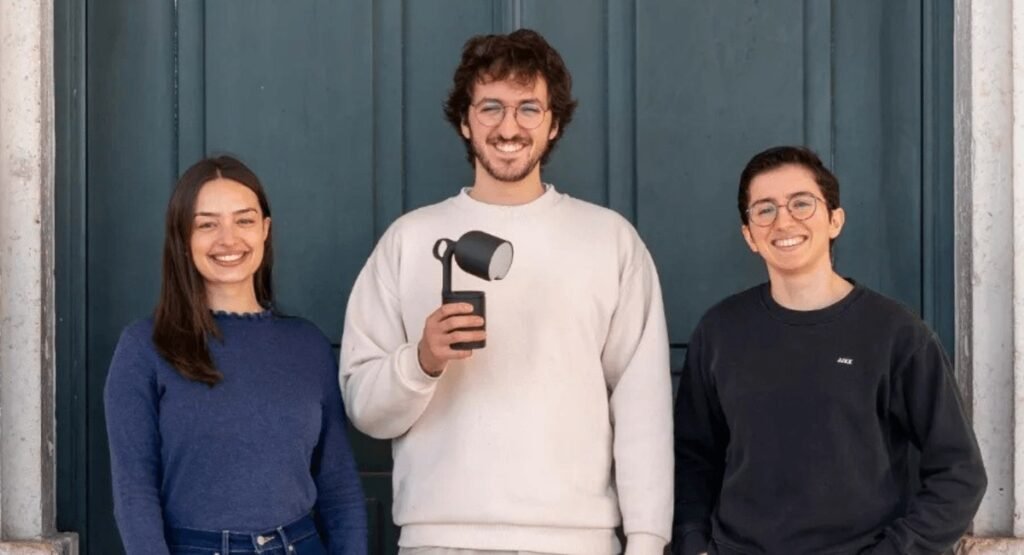
Lampsy Health has raised €1.1 million to bring its AI bedside lamp to families in Europe and the UK. The Lisbon startup built a lamp that watches for epileptic seizures during sleep and alerts emergency contacts when one is detected.
What the lamp does
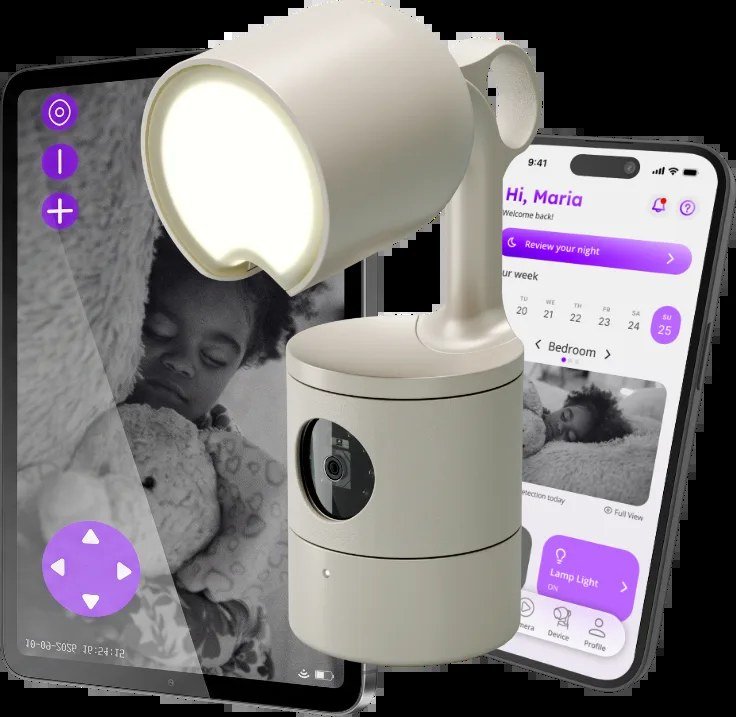
The device looks like an ordinary bedside lamp, but it carries a small camera with infrared lighting inside. It tracks movement during sleep, even in complete darkness, and it needs no body-worn sensors.
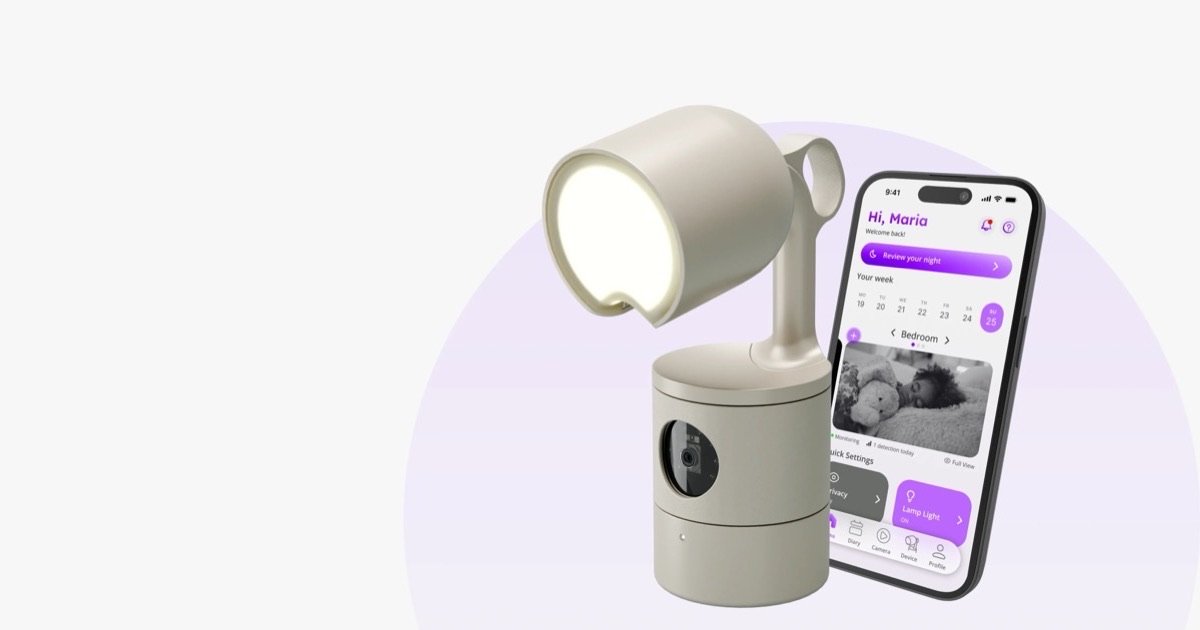
A computer vision system runs on the device itself and recognises the movement patterns of tonic-clonic seizures. When it spots one, Lampsy calls the contacts chosen by the user and sends an alert to the app.
The system detects seizure movements with over 97 per cent accuracy, according to the company. It was tested on more than 9,200 hours of hospital data and has received European Union medical device certification.
The funding round
The €1.1 million round, listed on our funding tracker, was led by Fundação Ageas and Portugal Ventures. Angels Way and Phira Ventures also took part, along with business angels from medicine, logistics, marketing and consumer experience.
The total also includes financial support from the European Union through the European Innovation Council’s Pre-Accelerator programme. Lampsy was one of 70 companies chosen from more than 1,000 applications in the programme’s first call for deep-tech startups.
From hospitals to homes
Until now, the lamp has only been available to medical teams through a partnership programme with all the public hospitals in the Lisbon Metropolitan Area that monitor epilepsy. The fresh capital will fund its commercial launch in Europe and the UK in the first quarter of 2027.
More than 7,500 people across 20 countries are already on the waiting list, and half of them are in the UK. Lampsy plans to serve those families first, then expand to the United States in the medium term.
The project began with a request from doctors at Hospital de Santa Maria in Lisbon. They wanted to know what happens to patients at night without forcing them to sleep hooked up to a machine.
“Bringing that answer into families’ homes is the step that gives meaning to all the work we’ve done in the lab and in hospitals.”
Vicente Mayer Garção, co-founder and CEO of Lampsy Health
Demand for the lamp arrived before the company was ready to sell it. The team says the new funding will let it respond, starting with the countries where families are already waiting.
“Demand came before we did. This round gives us the means to respond, starting with the countries where families are waiting.”
Vicente Mayer Garção, co-founder and CEO of Lampsy Health
Why night-time seizures matter
Night-time seizures are easy to miss. Research cited by the company found that 86 per cent of night-time seizures go unnoticed, leaving families unsure whether a seizure happened while everyone slept.
Around 50 million people worldwide live with epilepsy, according to the World Health Organisation. One in three continues to have seizures despite regular medication, and the risk of premature death is up to three times higher than in the general population.
Most existing solutions rely on body-worn sensors, which are uncomfortable during sleep and visible to others. Lampsy was designed to avoid both problems by hiding the monitoring inside an everyday object.
What comes next
Epilepsy is only the starting point. Lampsy aims to become a reference in at-home chronic disease monitoring, and the same technology could later help monitor sleep apnoea, which affects almost one billion adults worldwide.
The startup has collected a string of awards over the past year, including Startup World Cup Portugal 2026 and the Startup Showcase at WIRED Health 2026 in London. Co-founders Vicente Mayer Garção and Leonor Pereira were also named to the Forbes 30 Under 30 Portugal 2026 list.