Tristar AI, a Cambridge startup that uses computer vision to watch factory production lines, has raised $12.4 million in Series A funding. The round was led by Isogon Ventures, and the company plans to use the money to expand its inspection platform into more manufacturing sectors.
What Tristar AI does
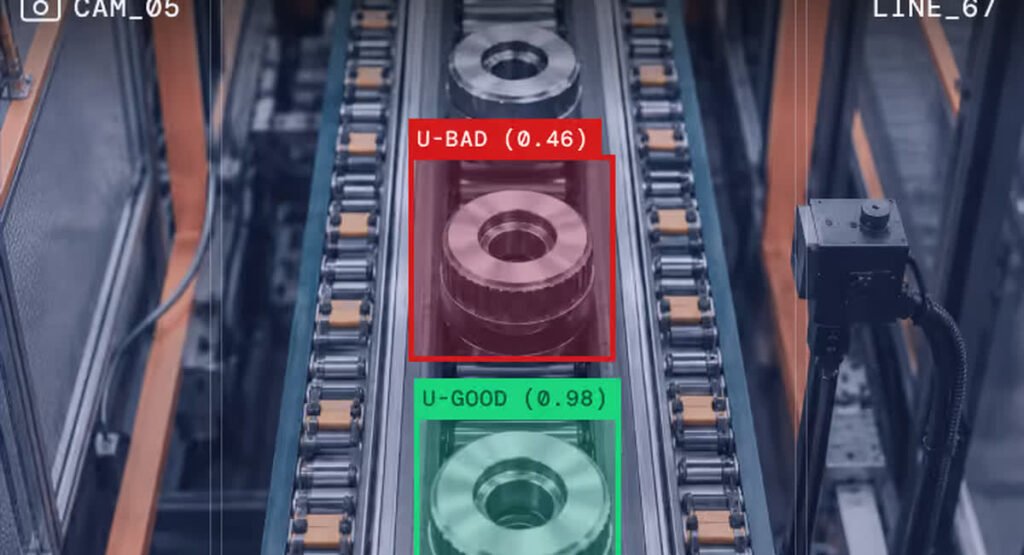
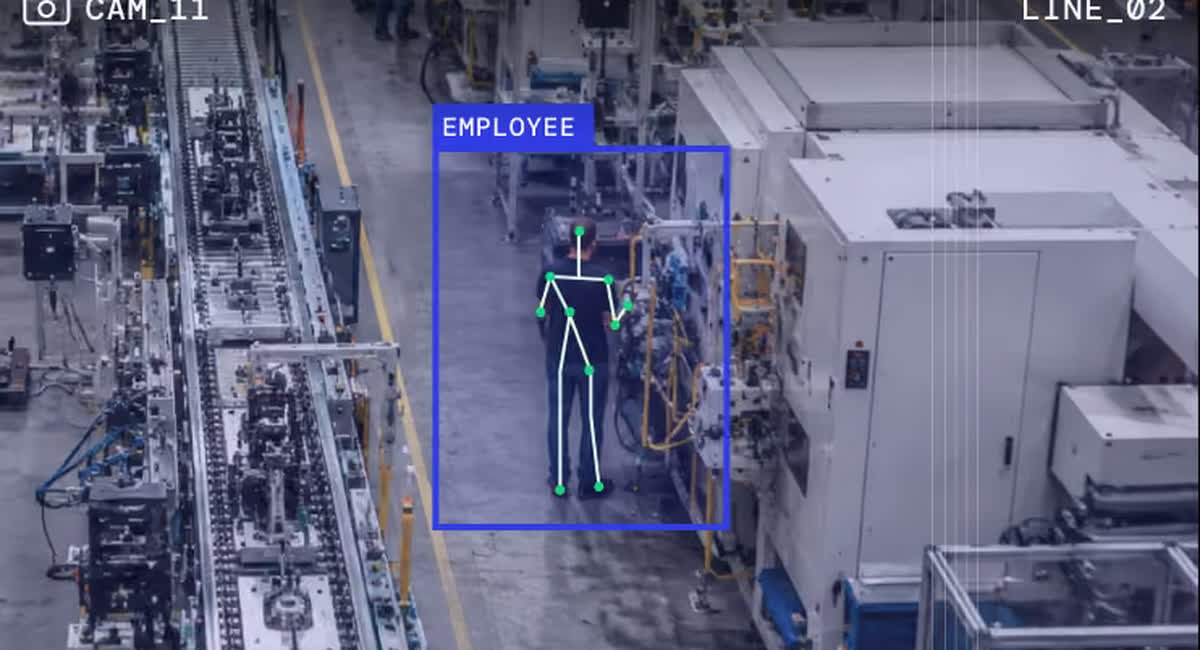
Tristar builds an AI vision platform that inspects products as they move along a production line. Its models spot surface defects and other flaws in real time, then alert operators within seconds so bad parts never reach customers.
Unlike older machine vision systems that follow fixed rules, Tristar says its models adapt across products, defect types and changing line conditions. The platform also tracks machine performance and operator activity, so teams can see where a problem started and why it happened.
The system plugs into cameras, sensors, programmable logic controllers and factory software that manufacturers already use. That means plants can add it to existing lines without replacing equipment or halting production.
The funding round
Isogon Ventures led the round. Blackhorn Ventures, Ford Street Ventures, ISAI Cap Venture, Las Olas VC, NextView Ventures, Seraph Partners, SNR Ventures and TenOneTen also took part. The round brings fresh capital to a company that says it has grown more than fourfold over the past year.
Tristar previously raised a $3.15 million seed round in 2024, co-led by Las Olas Venture Capital and TenOneTen Ventures. The seed round funded its first deployments across plastics and automotive plants.
Why factories are buying in now
Manufacturers face a labour shortage, rising quality expectations and higher material costs, while many are moving production back home. Figures from the Capgemini Research Institute shared in the announcement put reshoring investment at 48 percent of United States organizations in 2026, up from 30 percent in 2025.
The same research found that 83 percent of organizations see shortages of skilled industrial workers as a significant challenge. Tristar argues that automated inspection lets plants keep quality high without pulling skilled staff off the line to check parts by hand.
A founder who grew up on the factory floor
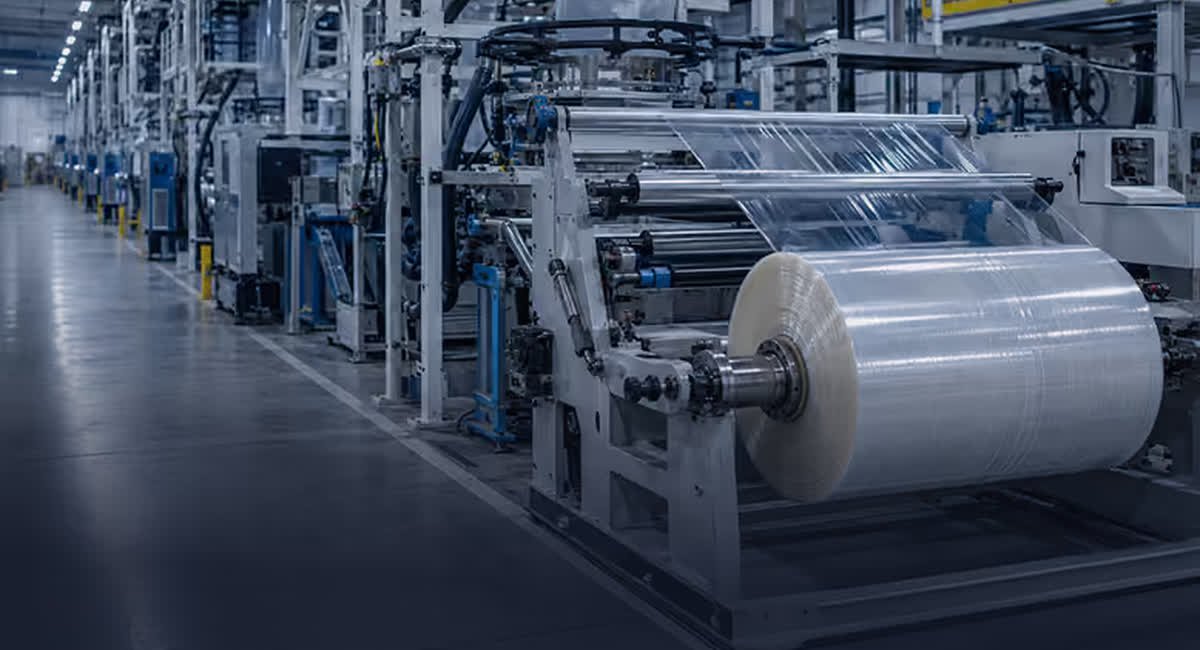
Chief executive and co-founder Salem Karani grew up in his family plastic film plant in Houston, where he watched small errors wipe out a month of margin. He studied computer vision at Harvard and MIT before building Tristar to catch those errors as they happen.
The problem was never that people did not care about quality. It is that people catch problems after the fact, once they have already cost time, materials and customers.
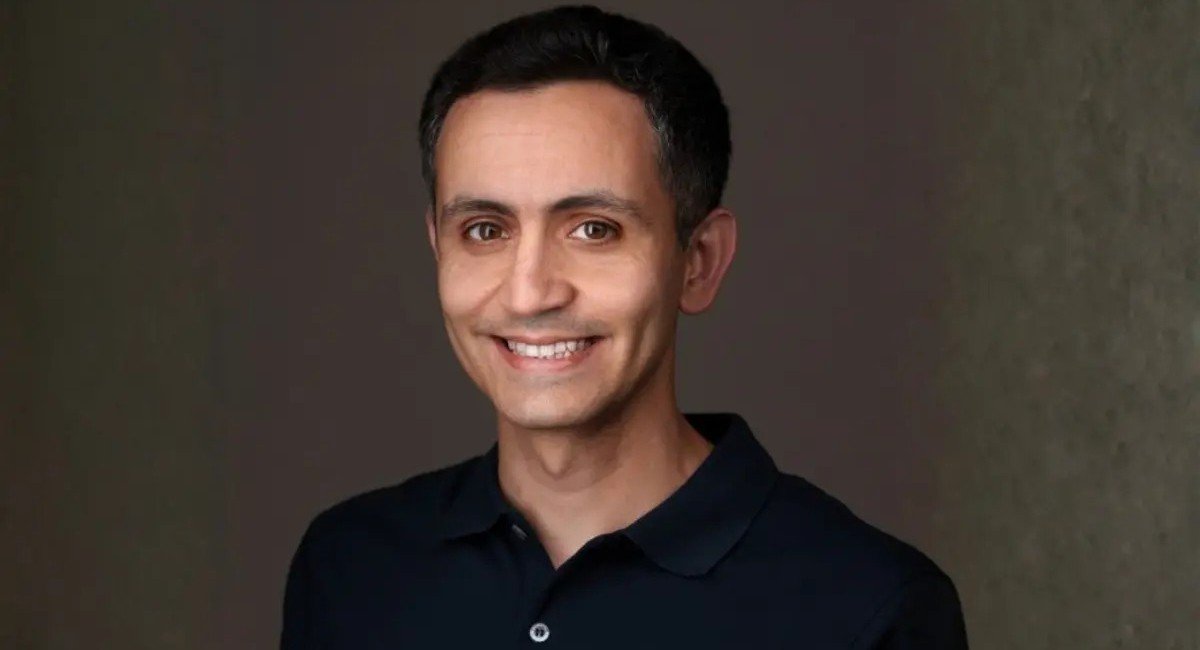
Salem Karani, chief executive and co-founder of Tristar AI
In today’s industry, precision is not optional, and Tristar makes it possible.
Paco Riberas, general partner at Isogon Ventures
What comes next
Tristar will spend the new money on its AI vision and edge computing platform, and on customer success and deployment teams that support multi-site rollouts. It also plans to grow sales and marketing as demand rises from manufacturers bringing production home.
The company now inspects products across more than 500 production lines in North America and Europe. Its customers include Amcor, DuPont and Klöckner Pentaplast, plus suppliers to Toyota, Honda and Mercedes. Live deployments report defect detection accuracy of 95 percent to 99 percent.
More factory AI funding rounds are listed on the funding tracker.