OpenAI has countersued Apple, accusing the iPhone maker of stealing its trade secrets and pressuring hardware suppliers not to work with it. The counterclaims were filed in a Northern California federal court on Friday 27 November 2026.
What OpenAI alleges
OpenAI says Apple gained confidential information by rehiring a former employee who had spent six months on its devices team. During that time the employee saw details of a new device and OpenAI’s roadmap for future hardware products.
The filing says the employee sent confidential documents about a prototype to his personal phone numbers and later presented OpenAI’s plans to senior Apple staff in July.
“Given the timing, it now appears that stealing those documents may have been his reason for joining OpenAI in the first place.”
OpenAI, in its counterclaims filed on 27 November 2026
OpenAI also accuses Apple of demanding that shared suppliers identify the staff assigned to its projects and of blocking its access to hardware suppliers. The company says Apple is seeking “to compete unfairly by any means available”.
How Apple handles departing staff
A second part of the countersuit targets how Apple handles employees who leave. OpenAI says Apple encourages staff to keep work files on personal iCloud and iMessage accounts, then asks them to leave on the same day when they resign for a competitor.
That same-day exit leaves no time to separate Apple files from personal ones, according to the filing. OpenAI says the policy creates trapdoors that let Apple accuse former employees of trade secret theft.
OpenAI says 400 employees have left Apple for OpenAI so far, and it argues Apple wants to intimidate others from following them. Apple says it trains staff to keep work and personal files separate and does not pursue claims over files kept by accident.
Apple’s response
“This case is about OpenAI employees deliberately stealing, accessing, and using Apple’s secret and confidential information regarding our unreleased technologies, processes, and products, not about inadvertent retention of Apple information.”
Apple spokesperson
The spokesperson also called OpenAI’s counterclaims a transparent attempt to distract from Apple’s own lawsuit, in which Apple says OpenAI has already been ordered to stop using its confidential information. OpenAI declined to comment beyond the contents of the filing.
How the dispute started
Apple sued OpenAI on 10 July 2026, along with its hardware unit io Products and two former Apple employees, Tang Tan and Chang Liu. Apple alleged the two men carried confidential hardware details to OpenAI to help build a competing device.
OpenAI has denied those allegations. In October it pledged not to use the material Apple claims as trade secrets, after a judge said he was highly likely to grant Apple’s request for an injunction.
The case is set for trial on 19 July 2027, and both companies have asked for a jury trial. The dispute now covers two sets of trade secret claims running in opposite directions.
Why the device race matters
OpenAI is developing AI-enabled personal devices with Apple’s former design chief Jony Ive, in a project announced last year. OpenAI says its planned devices could outcompete Apple on what Apple views as its own turf.
Apple has been racing to catch up on AI, starting with a major revamp of Siri. Amazon, Meta and Google are also building AI gadgets, which makes the hardware race one of the most contested parts of the industry.
The countersuit raises the stakes for both sides. Whoever ships a useful AI device first could shift attention away from the phone, and the court fight will now run alongside that product race.
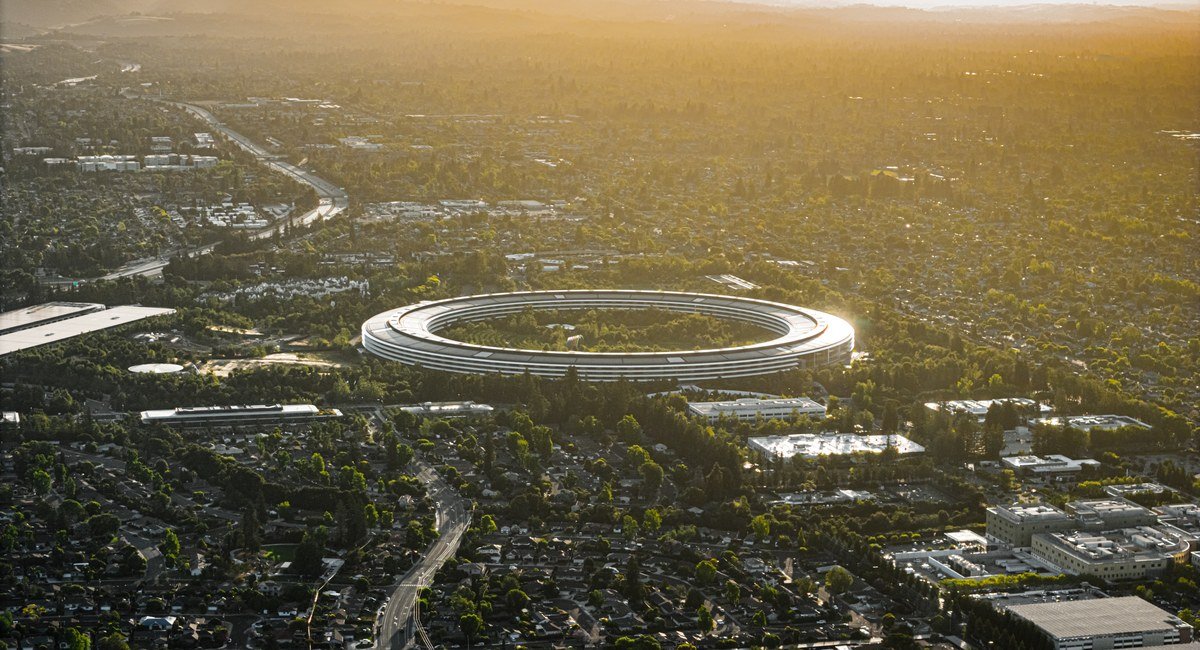
The featured image shows OpenAI headquarters in San Francisco. Photo by Coolcaesar via Wikimedia Commons, CC BY 4.0.