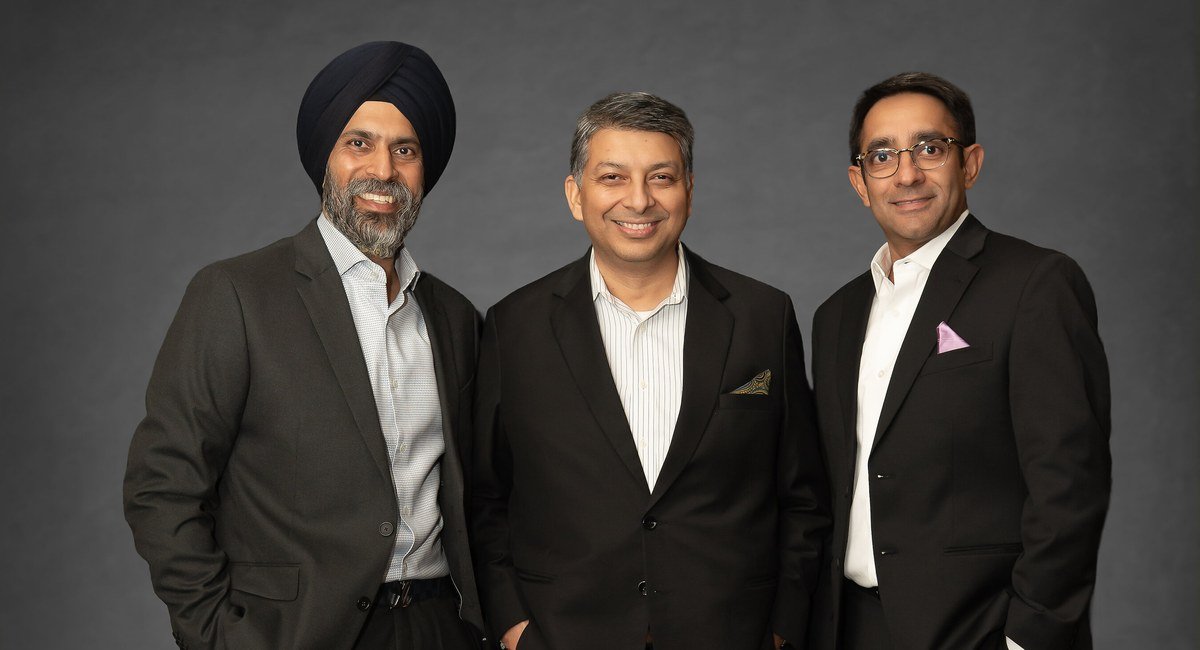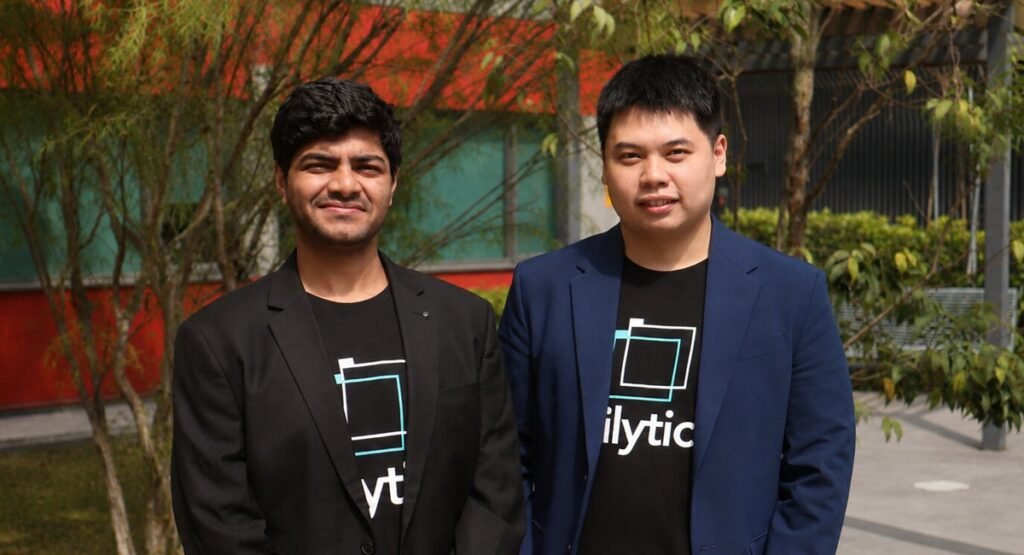
Ailytics has raised $7.4 million in a Series A round led by Tin Men Capital. The Singapore startup turns existing industrial CCTV cameras into a real time safety layer for heavy industry. It will use the money to build local teams in the United States, Japan, Australia and the Gulf.
What the platform does
The Ailytics platform, called Ailyssa, works out three dimensional spatial understanding from a single two dimensional camera feed. It does not need new cameras, lidar or radar, and it is built to keep working in rain, dust and poor light, including with older cameras on live sites.
Its latest reasoning engine, AilyssaX, reads a scene in context and checks multi step procedures as they happen. The aim is to give site teams alerts they can act on while work is still under way, rather than footage to review after an incident.
The round and where it goes
SEEDS, part of SG Growth Capital, joined the round, along with Safie, a Japanese cloud camera company, and one of Japan’s largest construction companies. Family offices and existing investors also took part. The company did not name the construction company.
The round follows a $2.7 million pre-Series A in April 2024, which Tin Men Capital also led. Since then Ailytics has grown from 70 projects in four countries to more than 400 deployments in 15 countries.
“This round strengthens our local teams in the US, Japan, Australia and the Gulf, as we focus on harsh outdoor industrial environments. We are building a global industrial AI company from Singapore.”
Lenard Tan, co-founder and CEO of Ailytics
Traction on live sites
Ailytics began on public housing projects in Singapore and now runs larger deployments at NatSteel, the PaxOcean shipyard, DHL, Rome’s Leonardo da Vinci International Airport and the Changi Airport Terminal 5 build.
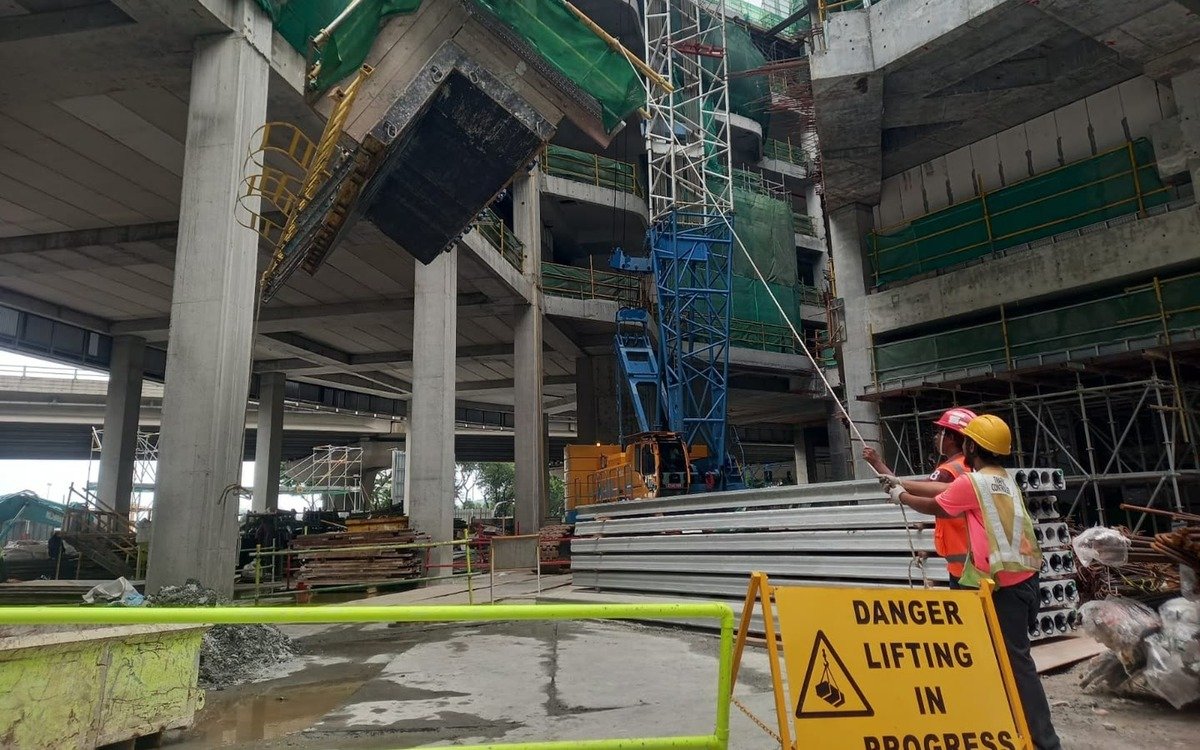
The company said customers report a 73 percent reduction in total recordable incident rate and 84 percent fewer safety non-compliances. It also said its system has detected more than 5.7 million hazards across more than 500 million square metres of active worksites.
The new money will also fund the company’s own domain specific reasoning models and help keep the cost of running its AI low as demand grows. That work matters most on harsh outdoor sites, where cameras already exist but nobody can watch every feed all shift.