Beijing-based GenRobot AI has completed a $100 million Series A+ funding round, giving fresh capital to a company that builds the data behind robot skills. The financing closed in the third quarter and was disclosed on November 2.
What GenRobot builds
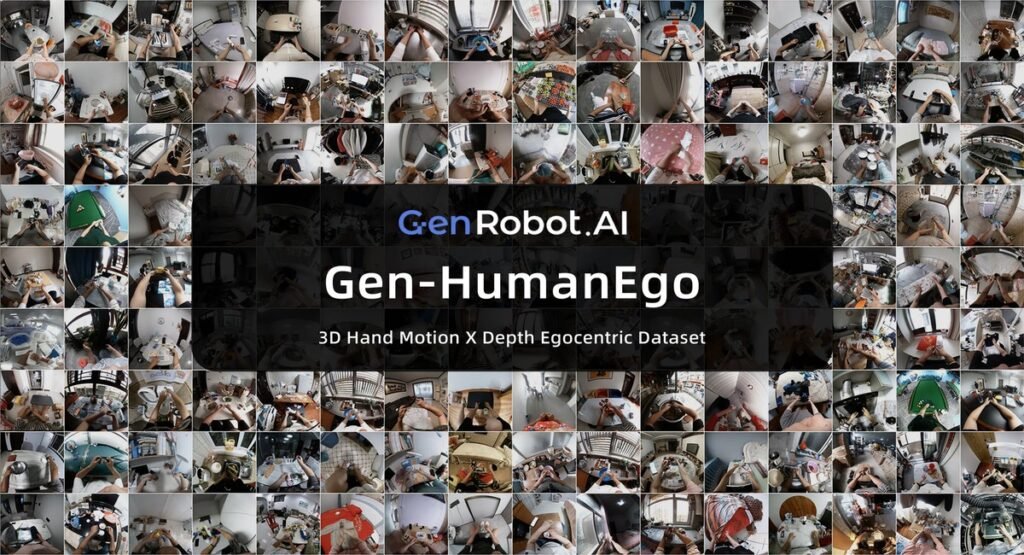
GenRobot AI builds equipment and software that record human demonstrations for robots to learn from. Its systems capture visual information together with hand and body movements as people carry out real tasks.
Those tasks span household work, manufacturing and logistics, three settings where robots must handle varied objects and changing conditions. The company describes its work as data infrastructure for robot development rather than robot hardware itself.
Its Matrix platform then synchronizes, cleans and labels those recordings. That step turns raw demonstrations into data that developers can use both to train robots and to test whether they can repeat a task reliably.
Who backed the round
The round drew strategic and financial investors from China and Malaysia. Participating investors include SAIC Motor, Malaysia’s Eastworlds, Baidu, Shoucheng Holdings and Galaxy General Robotics.
Financial investors in the round include GL Ventures, CITIC Goldstone, CCB International and Huatai Zijin. No valuation was reported alongside the disclosure.
The mix of backers reflects where robot data sits in the wider industry. Carmakers, internet companies and robotics firms all need large sets of real demonstrations before their machines can work outside controlled tests.
Why robot data matters
Robots can already repeat a fixed motion in a factory, but everyday tasks are harder to define. A person may pick up the same object in several ways, and a robot needs examples that cover that variation.
That is why recorded human demonstrations have become a bottleneck for embodied AI. Without diverse, labelled examples, a model may learn one version of a task and fail when the setting changes.
The company presents its work as starting from real human skills and experience. The new funding gives it room to expand that collection as developers look for training material beyond simulations.